
- Cleaning
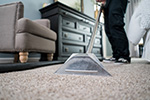 Carpet Cleaning
The best professional carpet cleaning experience, using our 12-point method.
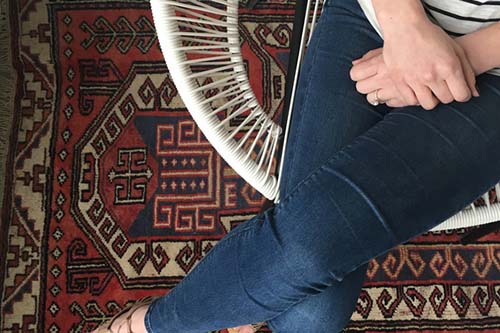 Rug Cleaning and Repair
Professional area rug cleaning removes stains and maintains vivid colors.
 Upholstery Cleaning
Upholstery cleaning services keep your furniture looking good and smelling fresh.
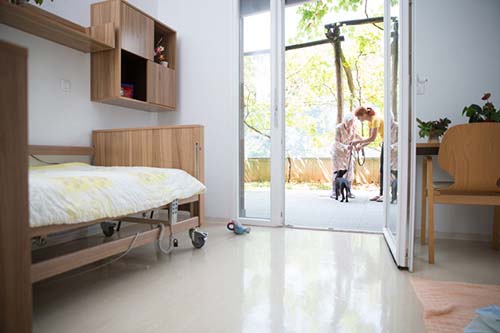 Disinfection Services
Sanitizing services combat the spread of coronavirus, flu, and bacteria.
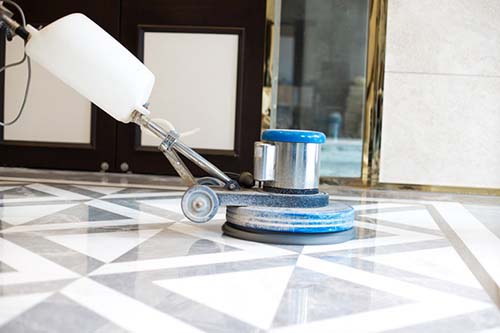 Hard Surface Care
Hard surface cleaning for floors, countertops, backsplashes, travertine, LVT, and more.
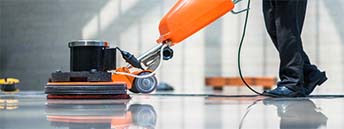 Commercial Cleaning Services
Woodard is St. Louis’ preferred professional commercial cleaning service, offering carpet, hard surface, and office furniture cleaning.
Restoration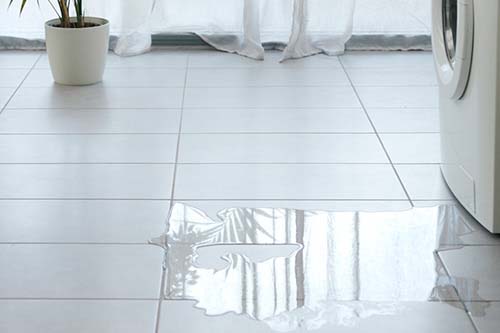 Water Damage
Water damage restoration teams contain, remove, and repair.
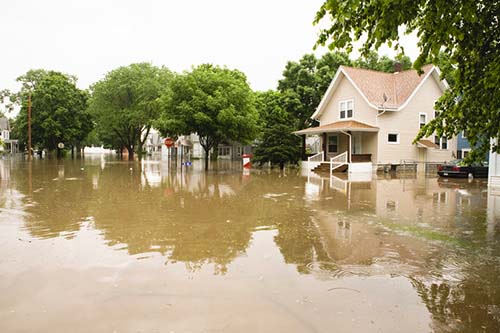 Storm Damage Restoration
Storm damage services immediately after tornado, wind, and hurricane damage.
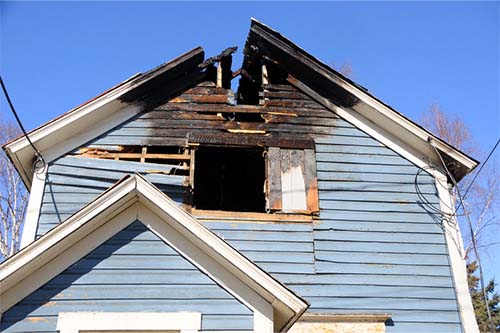 Fire Damage
Fire damage restoration services utilize the latest technology and techniques.
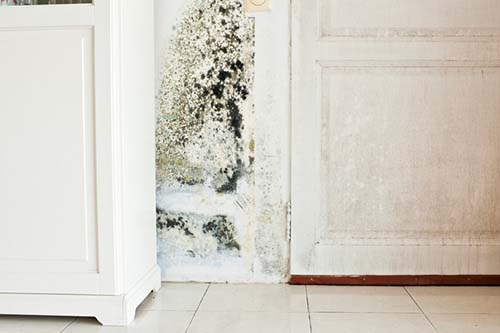 Mold Remediation
Mold removal services eliminate mold and prevent spreading.
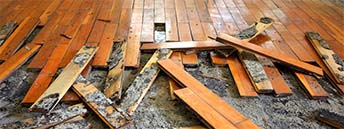 Commercial Restoration Services
With a 100+ vehicle fleet equipped to respond to your emergency 24/7, Woodard is the preferred commercial restoration company in the St. Louis area.
Construction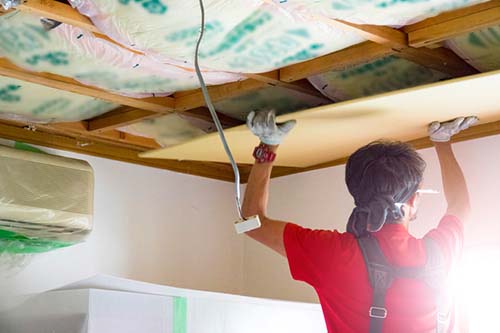 Reconstruction
Highly trained construction teams work with you to rebuild.
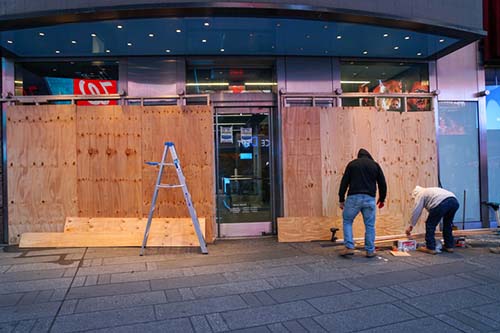 Emergency Board Up Services
24/7 board-up services ensure that your property is secure and protected.
 Commercial Construction
Our highly trained commercial construction team is available for your commercial property when you need us. Large or small, Woodard will adapt to your needs.